Thinking about listing your North Huntingdon home this spring but not sure where to start? You are not alone. Spring brings more buyers and more showings, which is exciting, but it also means you need a clear plan to stand out. This guide gives you a practical, 60‑day roadmap tailored to North Huntingdon so you can prep the house, price smartly, and launch with confidence. Let’s dive in.
Why spring works in North Huntingdon
Spring typically delivers higher buyer activity after winter. More people tour homes, and well-presented listings can draw strong interest. In our part of Western Pennsylvania, weather can be unpredictable, so plan exterior work around thaw, rain, or the occasional late snow.
Local buyers often focus on commute options to Pittsburgh and nearby employment centers, overall condition, finished living space, and usable outdoor areas. Many also review school district information, so make sure you verify your home’s district and provide neutral, factual details. A clean, well-maintained home with clear benefits in these areas will help you capture attention fast.
Your 60‑day plan at a glance
You will move through three phases: planning and repairs, staging and photography prep, and launch with strong marketing. Start earlier if you can. The extra time gives you flexibility if the weather, contractors, or deliveries shift.
Days 60–31: Plan, repair, and refresh
- Hire your listing agent. Interview 2–3 local agents with proven results in North Huntingdon and Westmoreland County. Ask for a comparative market analysis, marketing plan, and references.
- Consider pre-listing inspections. A general inspection can flag issues early. In Western PA, many buyers test for radon, so you can test now or be ready to negotiate if a buyer requests it.
- Gather key documents. Collect warranties, permits, renovation records, recent utility bills, and any township or HOA documents if applicable.
- Tackle high-impact updates. Declutter, deep clean, and touch up paint in neutral colors. Clean or replace worn carpet, repair loose floorboards, and update dated light bulbs or fixtures.
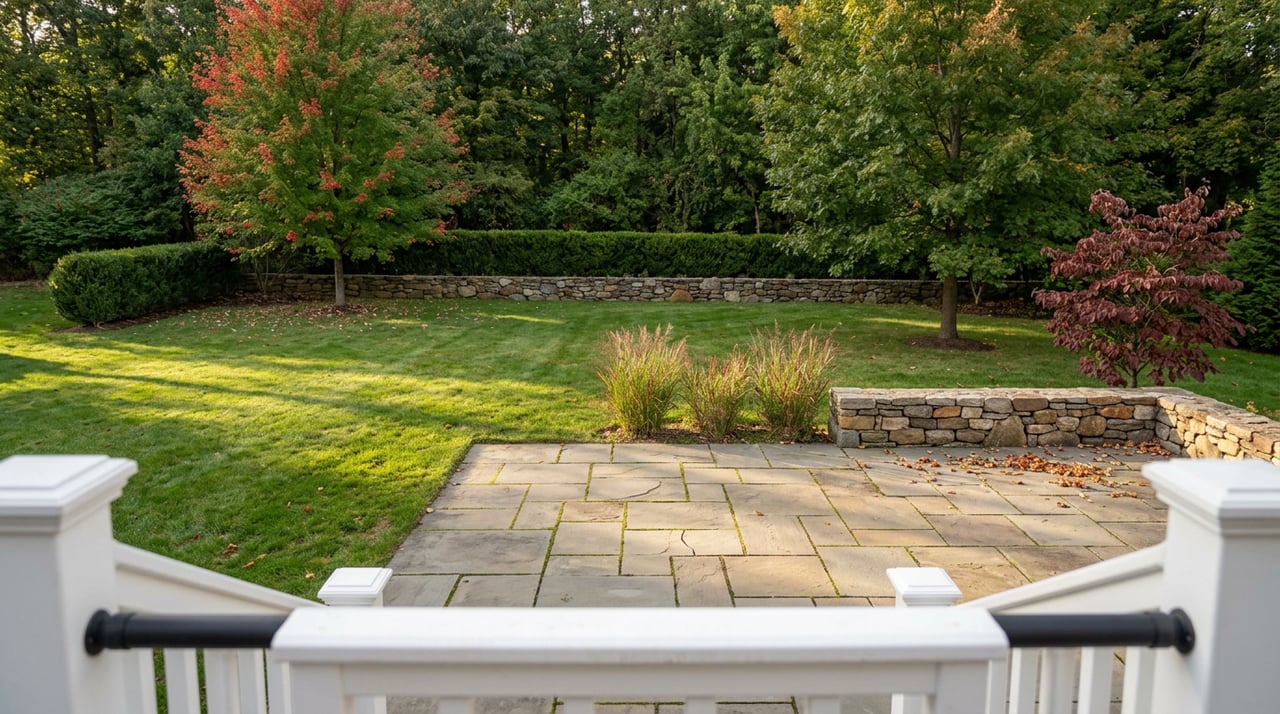
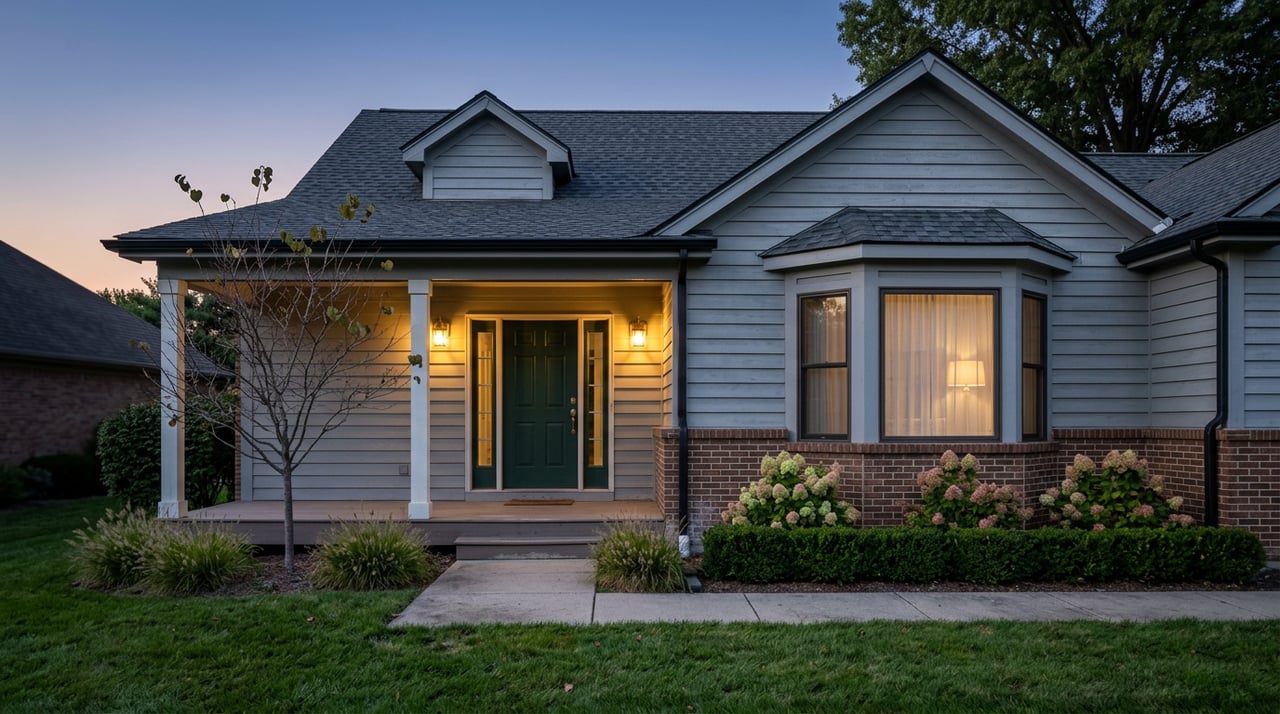
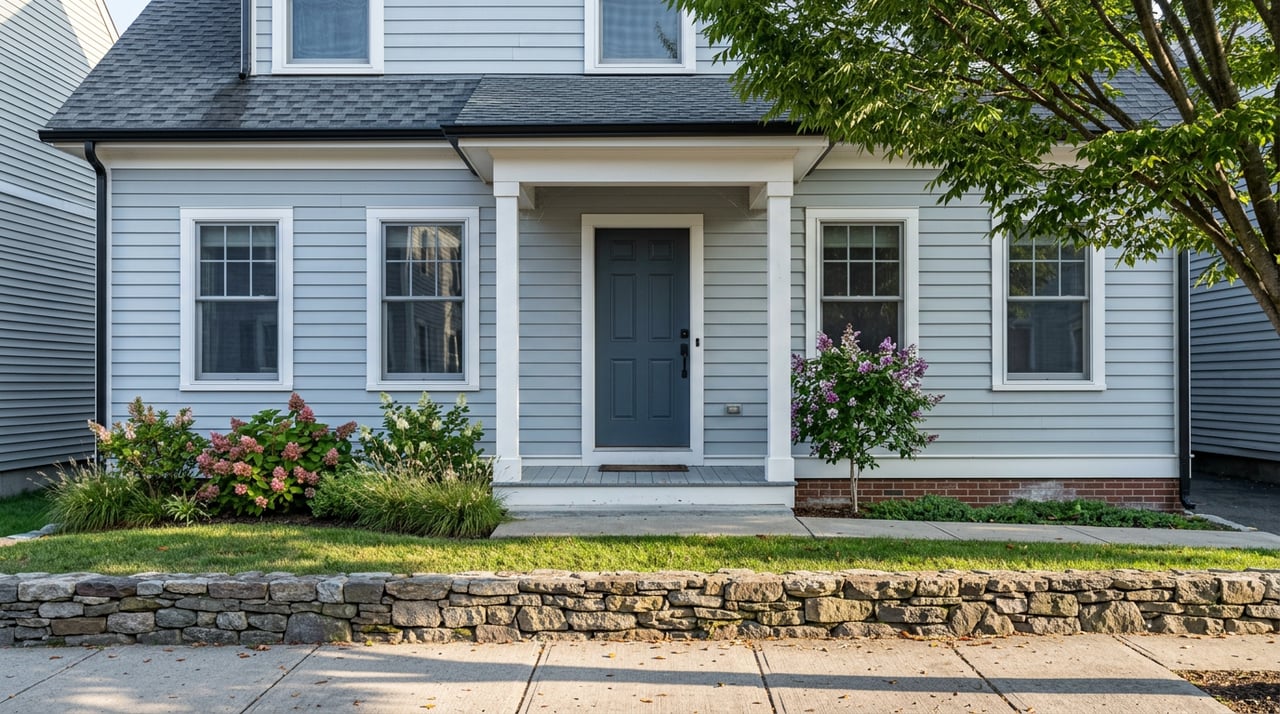
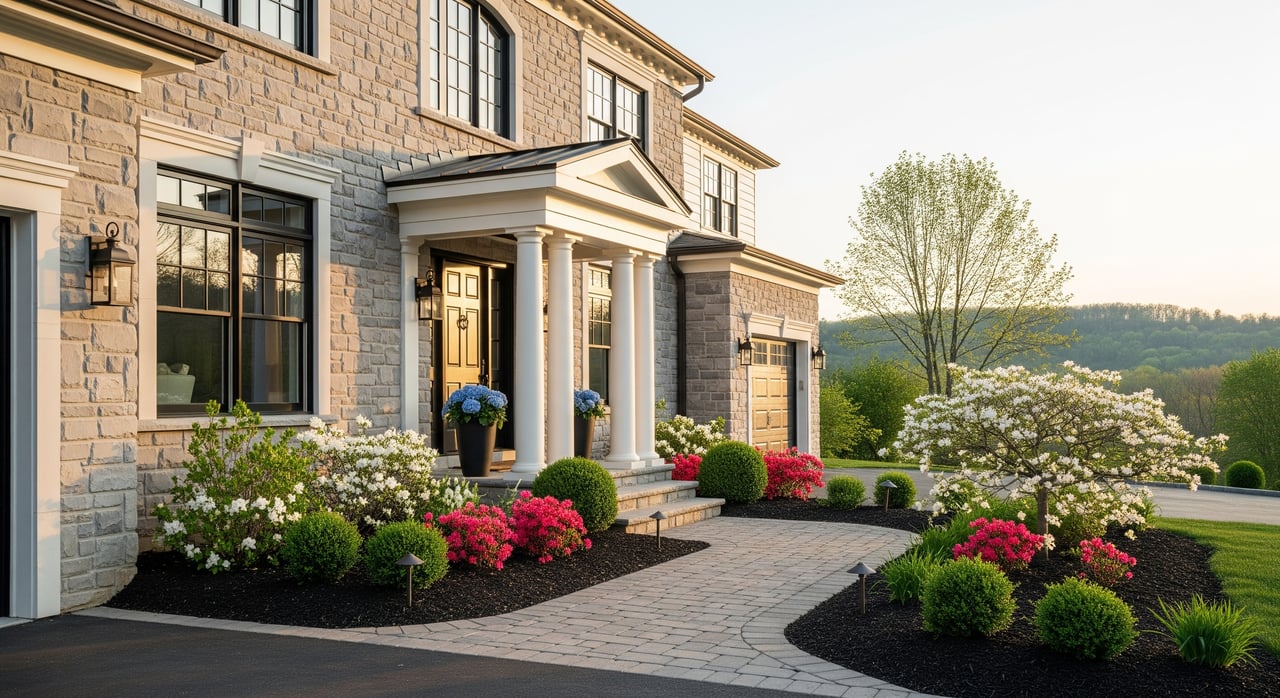
- Boost curb appeal. Power wash siding and walkways, freshen mulch, trim hedges, and mow as weather allows. Add simple seasonal flowers before photography.
- Make small repairs. Fix dripping faucets, torn screens, sticking doors or windows, and cracked tiles. These little fixes prevent inspection delays.
- Schedule contractors early. If you plan larger work like roof, HVAC, or kitchen updates, get estimates and book your slots so everything wraps before photos.
Pro tip: A construction-aware agent can help you prioritize repairs that matter most to buyers and flag items that could affect inspection, appraisal, or financing.
Days 30–15: Finish updates, stage, and prep photos
- Complete repairs and finishes. Re-caulk wet areas, finish painting, and handle final touch-ups.
- Bring in pros where useful. A stager can help you arrange rooms to emphasize space and flow. Schedule a professional photographer and aim for the first good-weather day. If your lot or views shine from above, consider a short video tour or drone imagery.
- Prepare disclosures and records. Complete your Seller Property Disclosure if using one, and follow federal lead-based paint rules for homes built before 1978. Organize inspection and radon reports, deeds, tax bills, and utility averages.
- Set your pricing strategy. Work with your agent to align with current comps and buyer search behavior. Decide whether to price competitively to stimulate multiple offers or at market value to focus on qualified buyers. Avoid pricing too high, which can lead to a stale listing.
- Write marketing copy that fits local buyers. Highlight features that matter here, such as finished basements, recent updates, outdoor living areas, and commute convenience. Verify and present the correct school district information if relevant to your home.
Days 14–1: Go live, show, and gather feedback
- Add final staging touches. Use fresh flowers, neutral scents, bright lighting, and remove pets and personal items during showings.
- Activate your listing. Your agent will launch your home on the MLS, brokerage site, and coordinated marketing channels. Consider a broker open and a public open house if neighborhood traffic supports it.
- Set showing logistics. Choose generous showing windows to maximize traffic and create a showing checklist so the home is always ready. Provide a simple information packet with features, recent upgrades, utility averages, disclosures, and neighborhood highlights.
- Prepare for offers. Agree in advance on response timing, which contingencies you will accept, and how you will handle appraisal or inspection negotiations. In a hot moment, be ready to respond within 24–48 hours.
Pricing that draws the right buyers
Smart pricing is grounded in recent comparable sales within nearby neighborhoods and similar condition. Your agent will look closely at the last 30–90 days of activity and the current inventory to define a workable range. You can use price banding to meet buyer search filters, such as choosing a number that captures more online searches.
You typically have two approaches. Competitive pricing leans slightly under market to drive interest and potential multiple offers. Market-value pricing focuses on accuracy and reduces appraisal risk. Overpricing is risky because it can lead to fewer showings, longer days on market, and lower net proceeds after reductions.
Inspections, disclosures, and the closing roadmap in PA
Most buyers will order inspections that may include general, pest, radon, and HVAC. A pre-listing inspection can help you fix issues or set expectations. Western PA has areas with elevated radon potential, so either test ahead or plan for that conversation.
Provide accurate, complete disclosures. Federal law requires a lead-based paint disclosure for homes built before 1978, including the proper buyer pamphlet. In many Pennsylvania transactions, sellers also use a property disclosure form. Confirm the exact requirements with your agent, title company, or a real estate attorney.
Expect a title or settlement company to manage the title search, escrow, and recording. Closing costs often include title and settlement fees, transfer taxes, prorated property taxes, and owner’s title insurance, and the seller typically pays agreed commission and any concessions or repairs. Ask your agent and title company for a seller net sheet so you can see estimated proceeds at different sale prices.
Timing from contract to close varies by financing. Cash deals can move quickly, while conventional, VA, or FHA loans usually need more time for underwriting and appraisal. If you need a rent-back or flexible occupancy, negotiate those terms upfront so your move stays on schedule.
Marketing that fits North Huntingdon buyers
Quality visuals convert interest to showings. Use professional photos, clear floor plans, and a simple virtual tour if the layout benefits from it. Lead with the features buyers here ask about most, like finished basements, functional kitchens, storage, and outdoor spaces.
Local context matters. Note convenient commuter routes and nearby recreation in a factual way. Verify the correct school district for your property and present neutral information if buyers request it. Targeted social media, broker tours, and local agent networks can help bring qualified buyers through your door.
Common risks and how to avoid them
- Starting too late. A rushed launch often means weaker photos, incomplete repairs, and a lower sale price. Start 6–8 weeks early for the best results.
- Over-improving. Match your updates to the neighborhood and buyer expectations so you do not overspend.
- Weather delays. Build buffer time for exterior work and photos in case rain or late snow hits.
- Appraisal gaps. If the market moves quickly, plan how you will respond if the appraisal comes in below the contract price.
A simple week-by-week checklist
- Weeks 9–8: Hire your agent, order pre-listing inspection and radon test if desired, start decluttering and deep cleaning, line up contractors.
- Weeks 7–6: Handle paint, flooring fixes, and small repairs. Power wash and refresh landscaping as the weather allows.
- Weeks 5–4: Finalize repair list, gather warranties and records, and start drafting your property description.
- Weeks 3–2: Stage key rooms, confirm disclosures, set pricing strategy, and schedule professional photography and any video.
- Week 1: Add finishing touches, activate the listing, host showings, and prepare for offers.
Build your North Huntingdon team
Lean on experienced local pros. Your core team includes a listing agent who knows North Huntingdon, a home inspector for pre-listing checks, and radon testing or mitigation specialists. Have reliable trades for HVAC, roofing, plumbing, and electrical to handle quick fixes. Use a real estate photographer and stager with local experience, and a title or settlement company plus a real estate attorney familiar with Westmoreland County procedures.
Ready to list this spring?
If you want a smooth launch and smart pricing backed by practical, construction-aware advice, you are in the right place. I will help you choose the right updates, time exterior work around the weather, and build a strong marketing plan that speaks to North Huntingdon buyers. When you are ready, let’s map your 60‑day plan together.
Reach out to schedule your free neighborhood market consult with Katrina Siffrinn.
FAQs
How long does a North Huntingdon spring home sale usually take?
- It depends on price, condition, and market activity. Check recent local MLS days-on-market trends and work with a local agent for a clear expectation.
Should I get a pre-listing inspection in North Huntingdon?
- A pre-listing inspection can surface repair needs early so you can fix them or price accordingly. It can reduce surprises during buyer inspections.
What repairs should I prioritize before listing my home?
- Address safety items and major issues like roofing leaks and significant HVAC problems. Fresh paint and flooring touch-ups often deliver strong returns.
What do I need to disclose in Pennsylvania when I sell?
- Disclose known material defects and follow federal lead-based paint rules for homes built before 1978. Confirm exact forms and practices with your agent or attorney.
How should I price my North Huntingdon home for spring?
- Use a local comparative market analysis, consider current inventory and seasonality, and set a strategy with your agent that fits your goals and timeline.