If you own a home in North Huntingdon, you already know our weather does not give houses much of a break. Cold winters, spring thaw, summer storms, and falling leaves can all put pressure on your roof, gutters, foundation, and HVAC system. A simple seasonal routine can help you stay ahead of bigger repairs, protect your home’s value, and make life a little less stressful. Let’s dive in.
Why seasonal maintenance matters here
North Huntingdon sits in a part of Westmoreland County where homeowners need to plan for changing weather all year long. According to the county hazard plan, seasonal snowfall can vary widely across the county, and nearby climate data shows about 39.61 inches of annual precipitation and 44.1 inches of annual snowfall. That mix creates real risks for freeze-thaw wear, water intrusion, and ice-related damage.
Heavy rain and snowmelt also matter. The National Weather Service notes that flash flooding in western Pennsylvania can worsen when drains and culverts are blocked, and Westmoreland County’s stormwater resources point to runoff, erosion, and property damage as ongoing issues. For you as a homeowner, that means drainage, grading, and moisture control deserve regular attention.
Spring home checklist
Spring is the time to look for what winter left behind. Snow, ice, and freeze-thaw cycles can cause small problems that are easier and less expensive to fix early.
Inspect roof and exterior
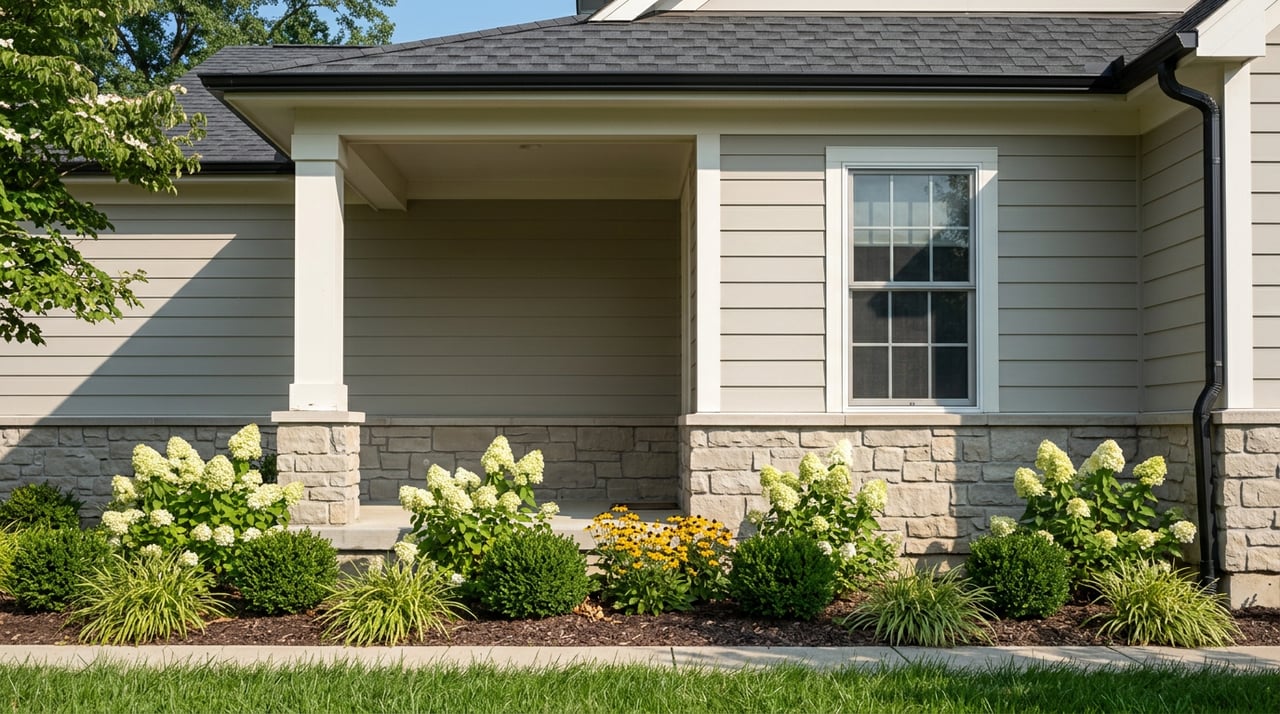
Start with a careful visual check of your roof, flashing, siding, and foundation. Look for missing shingles, cracked areas, leaks, water stains, or gaps around windows and doors. The U.S. Department of Energy recommends checking for cracks and holes in siding, mortar, windows, doors, and foundations as part of a home energy assessment.
Clean gutters and downspouts
Spring gutter cleaning is especially important after snowmelt and early storms. Penn State Extension recommends maintaining roof runoff structures by removing debris that clogs gutters and downspouts. The goal is simple: move water away from the house before it can collect near the foundation.
Check drainage and grading
Walk around your home after a hard rain if you can. Look for pooling water, soggy areas near the foundation, or damp basement walls. In an area where runoff and flooding are practical concerns, checking drainage each spring can help you catch problems before they turn into recurring moisture issues.
Service your cooling system
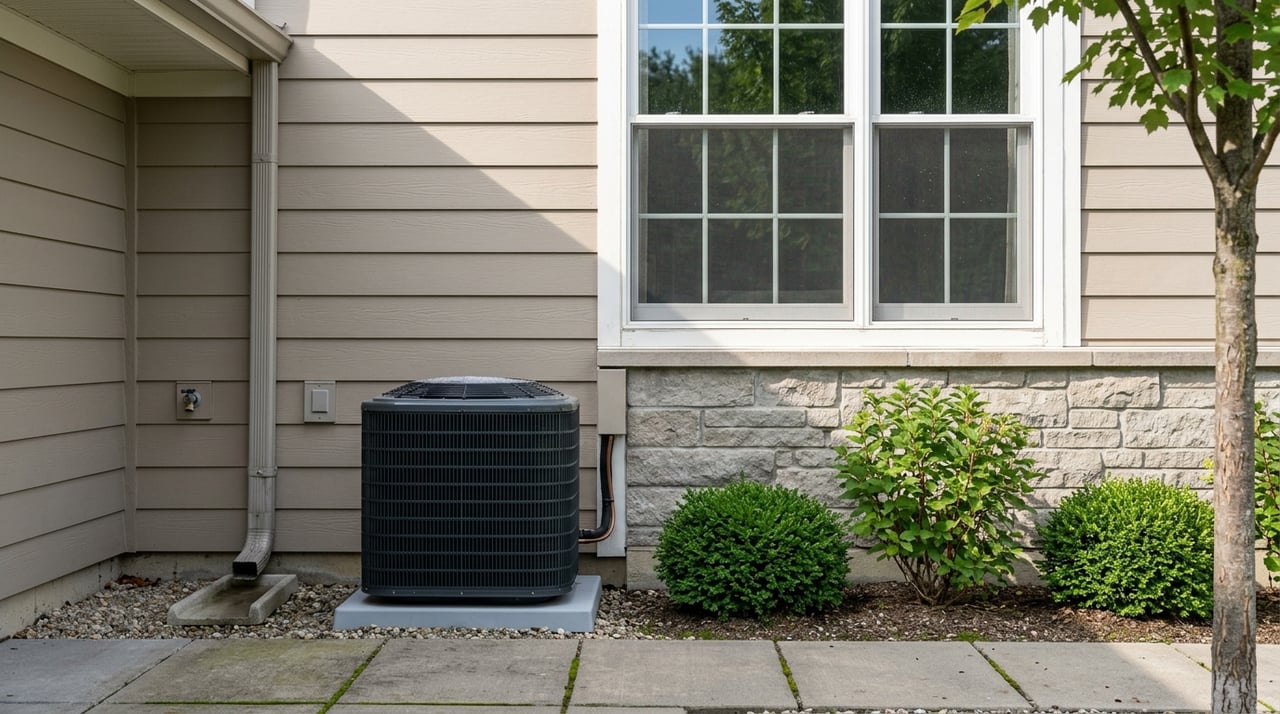
Before summer heat arrives, schedule your annual A/C tune-up. ENERGY STAR recommends spring checkups for cooling equipment and also notes that dirty filters can increase energy costs and damage equipment. Replace HVAC filters monthly to keep airflow moving properly.
Test smoke and CO alarms
Spring is also a good time for a full safety check. The U.S. Fire Administration recommends testing smoke alarms and carbon monoxide alarms at least monthly. A quick walk-through now can help you stay consistent for the rest of the year.
Summer home checklist
Summer is your chance to tackle maintenance in drier, warmer weather. It is also the season to watch for thunderstorm damage and keep cooling systems working efficiently.
Keep your A/C running efficiently
Check that your outdoor condenser is free of leaves, grass, and debris. The Department of Energy says air conditioner maintenance should include keeping coils and airflow areas clean. Continue replacing filters monthly during heavy-use months.
Inspect after storms
Strong summer storms can leave behind damage that is easy to miss from the street. After thunderstorms or hail, look for lifted shingles, damaged siding, clogged gutters, or broken tree limbs near the house. In this region, making post-storm checks a habit is a smart way to catch issues early.
Refresh caulk and seal joints
Warm, dry weather is ideal for exterior sealing work. The Department of Energy notes that caulking in dry conditions above 45°F can help prevent both air leaks and water damage. Focus on windows, doors, masonry joints, and other spots where materials meet.
Check attic comfort issues
If your second floor feels hot or humid, your attic may need attention. DOE guidance explains that attic air sealing and insulation can reduce heat transfer and help control moisture. This is worth checking before small comfort issues become larger energy or moisture problems.
Fall home checklist
Fall is about getting ready before the first real cold snap. A little work now can help your house handle winter more smoothly.
Clean gutters after leaves drop
This is one of the most important tasks for homes in North Huntingdon. Penn State Extension specifically recommends removing leaves and debris from gutters and downspouts, and proper runoff matters even more before freezing weather arrives. Make sure downspouts discharge well away from your foundation.
Service your heating system
Do not wait until the furnace struggles on the first cold morning. ENERGY STAR recommends annual fall checkups for heating equipment. A pre-season service visit can improve efficiency and help reduce the chance of an untimely breakdown.
Seal air leaks before winter
Fall is the right time to add weather stripping and seal gaps around doors, windows, attic hatches, and foundation penetrations. Ready.gov recommends insulation, caulking, and weather stripping as part of winter weather preparation. ENERGY STAR also identifies air sealing as one of the most cost-effective home improvements.
Update fire safety basics
Replace alarm batteries if your units use them, test all alarms, and review your fire escape plan. The U.S. Fire Administration says smoke alarms should be tested monthly, batteries should be replaced at least yearly when needed, and alarms should be replaced every 10 years. Ready.gov also recommends practicing your home fire escape plan twice a year.
Winter home checklist
Winter maintenance is often about observation and quick response. In North Huntingdon, repeated snow, thaw, and refreeze cycles can create problems fast.
Watch for ice dams
Keep an eye on roof edges and gutters after snowfalls followed by melting and refreezing. The Department of Energy explains that ice dams form when heat from the attic melts roof snow that refreezes at the eaves. Air sealing, insulation, and good ventilation can help reduce this risk.
Monitor basement moisture
After winter storms or sudden thaws, check your basement or crawlspace for damp spots, wall staining, or water entry near windows and utility penetrations. Since local flooding risk can rise with heavy rain, melting snow, and ice jams, winter moisture checks should be part of your routine.
Use safe heating practices
Winter weather can bring freezing rain, snow, ice, and high winds. Ready.gov’s winter guidance recommends steps like insulation, weather stripping, and frozen-pipe prevention to protect your home. If you use fireplaces, space heaters, or generators, carbon monoxide alarms become even more important.
Do quick post-storm walk-throughs
After a major cold snap or winter storm, take a few minutes to look for roof leaks, frozen-pipe symptoms, or water coming in near basement windows or sill plates. These short inspections can help you catch damage before it spreads.
A simple maintenance calendar
If you like a quick reference, here is an easy way to think about the year:
- Spring: inspect winter damage, clean gutters, check drainage, service A/C, test alarms
- Summer: maintain A/C, inspect after storms, refresh caulk, evaluate attic heat and humidity
- Fall: clean gutters again, service heat, seal air leaks, review fire safety
- Winter: watch for ice dams, monitor moisture, protect pipes, inspect after storms
What you can do yourself
Many seasonal tasks are manageable for homeowners. Changing filters, testing alarms, clearing visible debris, and doing basic visual inspections are all reasonable DIY jobs.
For anything involving roof repairs, HVAC repairs, or major structural or moisture issues, it is usually best to call a qualified professional. ENERGY STAR frames HVAC tune-ups as contractor checkups, and Pennsylvania requires many home improvement contractors to register with the Attorney General’s office. Even so, it is smart to verify insurance, references, and more than one bid before hiring someone.
Why this matters for home value
Seasonal maintenance is not just about avoiding headaches. It also helps you protect the condition, efficiency, and resale appeal of your home. Buyers notice signs of deferred maintenance, especially around roofs, drainage, windows, and mechanical systems.
If you are thinking about selling in North Huntingdon, staying ahead of these items can make your home easier to market and easier to inspect. And if you are buying, a strong maintenance routine helps you settle in with confidence from day one.
When you want practical advice about home condition, local resale expectations, or getting your property ready for the market, Katrina Siffrinn is here to help with knowledgeable, hands-on guidance rooted in the local market.
FAQs
How often should North Huntingdon homeowners service HVAC systems?
- Service cooling equipment in spring and heating equipment in fall, and replace HVAC filters monthly.
When should North Huntingdon homeowners clean gutters?
- Clean gutters after leaf drop, after major storms, and anytime downspouts appear clogged or roof runoff is not flowing away from the house.
How often should homeowners test smoke and carbon monoxide alarms?
- Test smoke alarms and carbon monoxide alarms monthly, replace batteries at least yearly when applicable, and replace smoke alarms every 10 years.
What weather-related problems should North Huntingdon homeowners watch for?
- Watch for ice dams, roof leaks, clogged gutters, foundation drainage issues, basement moisture, and storm damage after heavy rain, snowmelt, hail, or repeated freeze-thaw cycles.
Which seasonal home maintenance tasks are usually best left to professionals?
- Roof repairs, HVAC repairs, and major structural or moisture issues are generally better handled by qualified professionals.