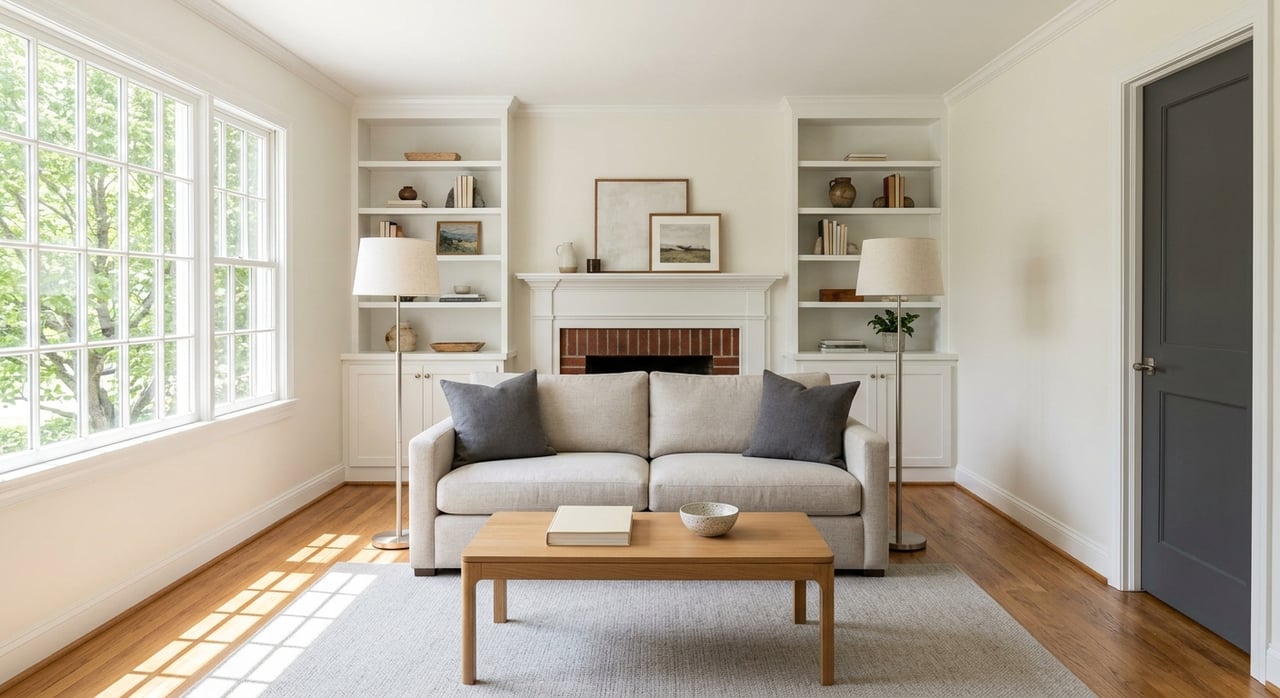
If you want buyers to notice your Irwin home for the right reasons, staging can make a real difference. In a market where buyers are weighing value carefully, the way your home looks online and in person can shape how quickly it gets attention and what kind of offers you receive. The good news is that effective staging does not have to mean a full makeover. With the right priorities, you can make your home feel brighter, cleaner, and easier for buyers to picture as their own. Let’s dive in.
Why staging matters in Irwin
Irwin is known for its traditional small-town character and its mix of historic buildings, single-family homes, and some downtown loft-style housing, according to the Borough of Irwin. That means many homes have personality already, and your goal is not to erase it. Instead, you want to highlight that character while making the space feel open, well cared for, and easy to live in.
Presentation also matters because buyers in the area tend to be price conscious. Market reports vary, but the broader pattern is clear: buyers are comparing options closely, and homes may sell below asking depending on pricing and condition. In that kind of environment, staging helps your home communicate value before a buyer ever steps through the door.
According to the National Association of Realtors 2025 Profile of Home Staging, 83% of buyers’ agents said staging made it easier for buyers to envision a property as their future home. The same report found that 49% of sellers’ agents said staging reduced time on market, and 29% saw a 1% to 10% increase in the dollar value offered on staged homes.
Focus on the highest-impact rooms
If you are working with a limited budget, start where staging tends to matter most. NAR found the top rooms to prioritize are the living room, primary bedroom, and kitchen. These are the spaces where buyers often decide whether a home feels comfortable, functional, and move-in ready.
This is good news if you do not want to stage every room perfectly. You can often get strong results by concentrating your time and money on a few areas instead of trying to redesign the whole house.
Stage the living room first
Your living room should feel easy to walk through and easy to imagine using every day. Remove bulky furniture that makes the room look smaller, and leave enough space for natural traffic flow. If the room has architectural details or older charm, let those features stand out instead of covering them with too many accessories.
Keep decor simple and neutral. A few pillows, a tidy rug, and clean surfaces are usually enough. Buyers should notice the room itself, not your personal style.
Make the primary bedroom feel calm
A primary bedroom should feel restful and uncluttered. Clear off dressers and nightstands, limit personal photos, and use bedding that looks fresh and simple. If the room is tight, consider removing extra furniture so the space reads larger.
Small changes can go a long way here. Matching lamps, neat linens, and open floor space help the room feel settled and intentional.
Open up the kitchen
Kitchens carry a lot of weight with buyers, so this is one of the best places to stage smartly. Clear countertops as much as possible so buyers can see the workspace. Store away small appliances, mail, magnets, and anything else that makes the kitchen feel crowded.
NAR recommends simple pre-listing steps like cleaning walls, windows, carpets, and lighting fixtures, along with removing clutter throughout the home. In kitchens and bathrooms especially, clean and open surfaces suggest that the home has been maintained.
Start with clean, bright, and uncluttered
Before you buy anything new, focus on the basics. The NAR consumer guide on preparing to sell your home advises sellers to clean windows, carpets, lighting fixtures, and walls, and to store away clutter before photos or showings.
That kind of prep matters because staging is not just decor. It is also about making the home feel cared for. Clean spaces photograph better, show better, and help buyers focus on the home rather than the work they think they may need to do.
Use light to your advantage
Light is one of the easiest ways to improve how a home feels. Open window treatments to bring in daylight, turn on lights before showings, and use warm bulbs in darker rooms. These simple steps can make spaces look more inviting and more spacious.
For online listing photos, balanced lighting is especially important. NAR notes that more than 90% of buyers search online, and photos are the main factor for many buyers deciding which homes to tour. That means your staging should be complete before photography begins.
Clear the visual noise
Clutter can make even a good-sized room feel cramped. Start by removing extra items from counters, shelves, and tabletops. Then look at each room and ask whether the space feels calm, functional, and easy to understand at a glance.
NAR’s quick staging tips also point to small details that can help, like polished touch points, updated hardware, cohesive fixtures, and subtle textiles. These are not dramatic upgrades, but they can make your home feel more finished.
Keep Irwin home character intact
In a place like Irwin, many homes have traditional layouts or older details that buyers appreciate. Staging should support that appeal, not fight against it. If your home has original trim, a welcoming porch, or a classic room layout, keep those features visible and let them do some of the work.
A neutral base tends to work best. NAR’s staging guidance emphasizes helping buyers imagine their own routines and furniture in the home, which usually means avoiding highly personal or overly trendy styling. In practical terms, that may mean toned-down colors, fewer decorative items, and furniture arranged to show space clearly.
This approach is especially useful for homes with a lot of personality. You want buyers to remember the charm of your home, not get distracted by bold decor choices that may not fit their taste.
Don’t skip the entry and exterior
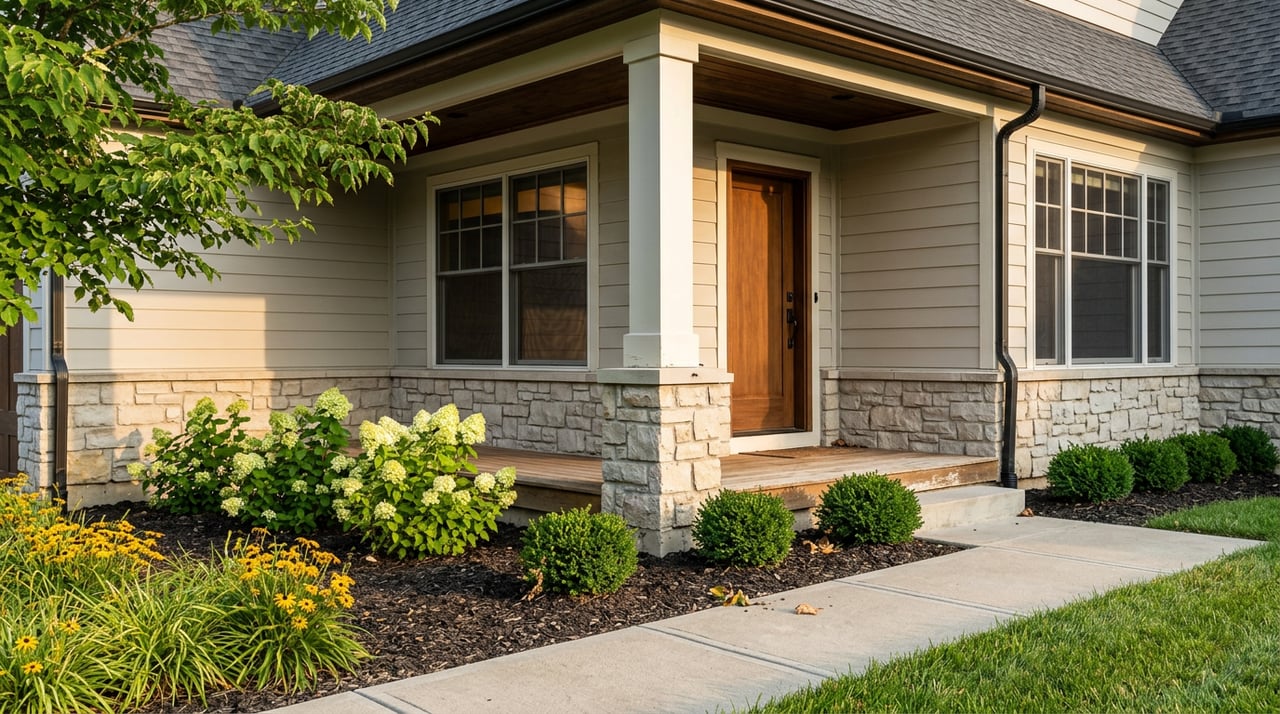
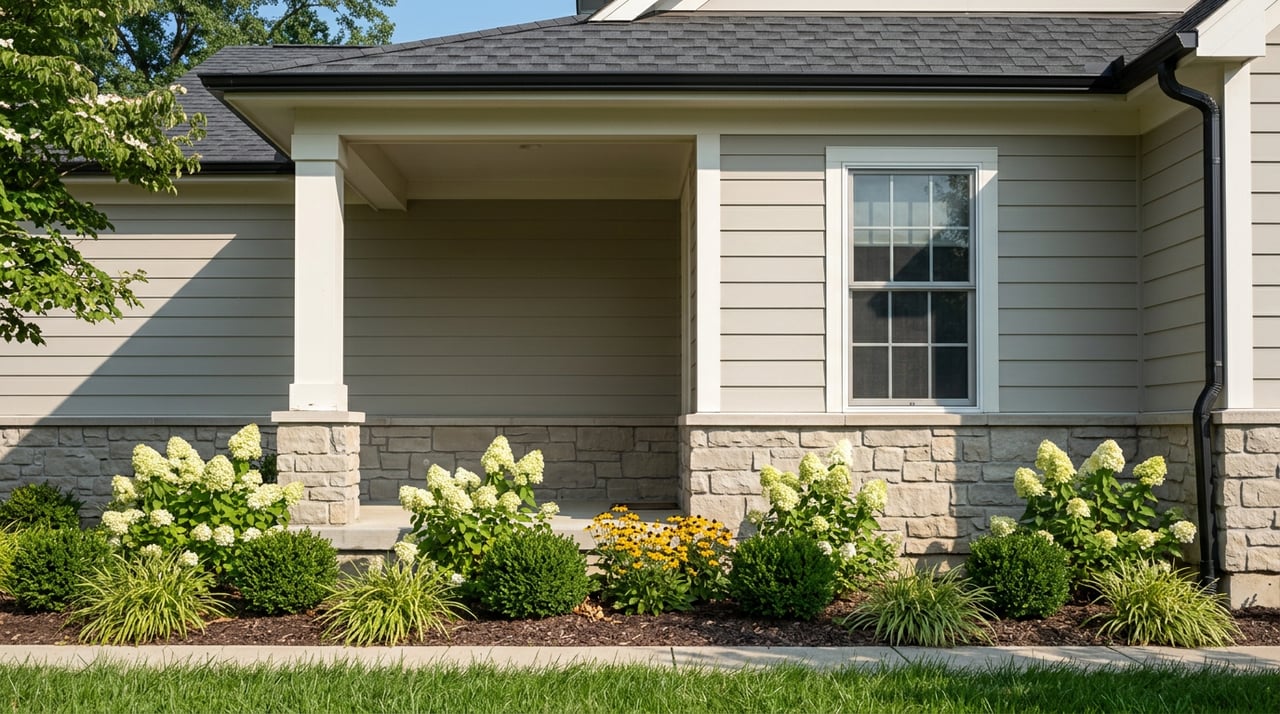
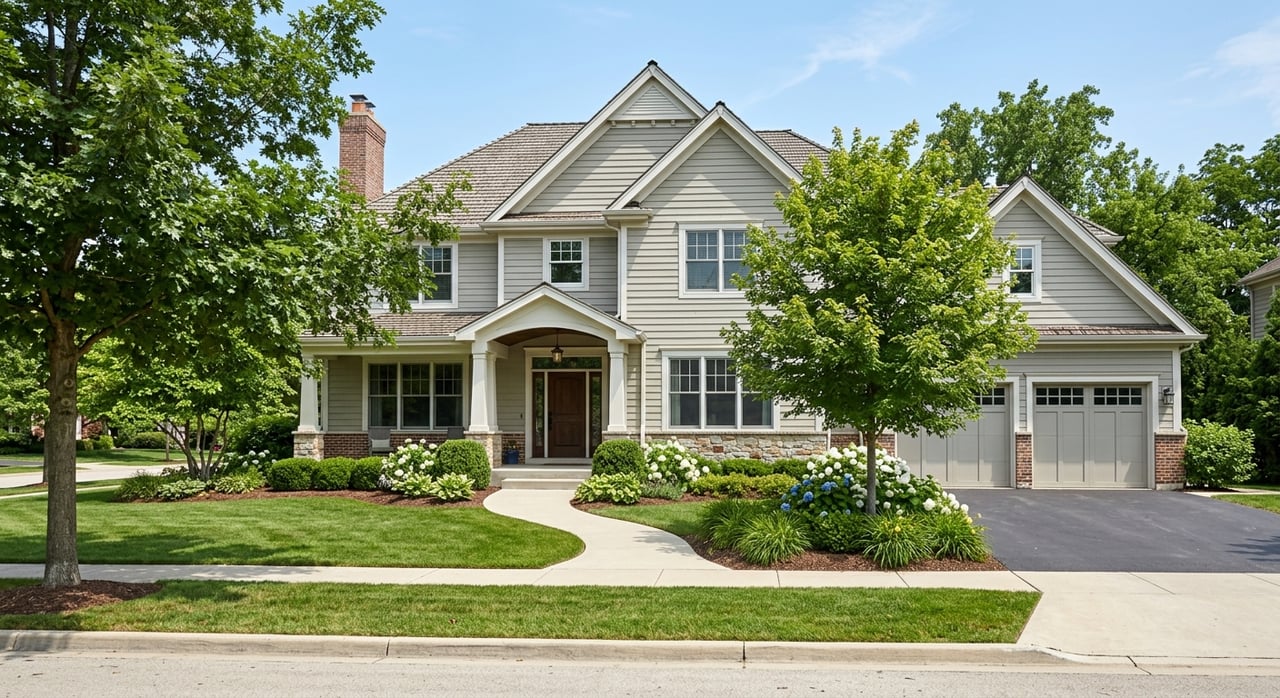
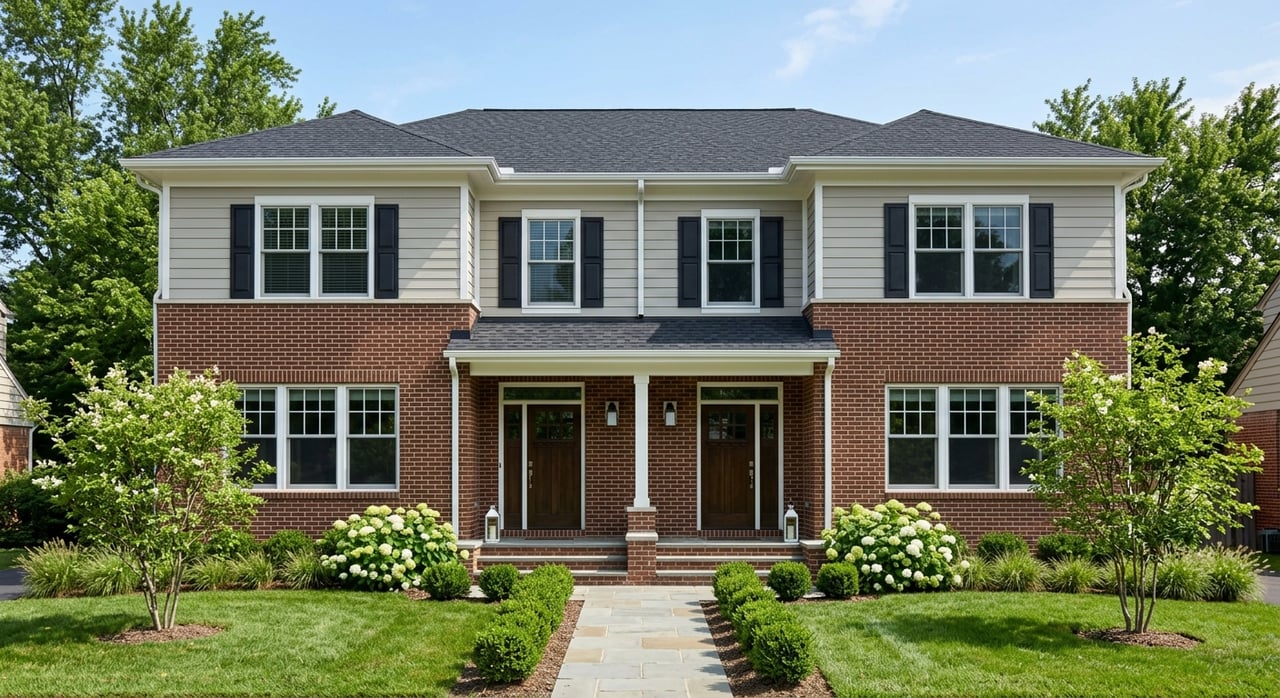
Your first showing often starts online, but your first in-person impression begins before a buyer walks inside. That is why curb appeal deserves attention early in the process. The NAR consumer guide specifically notes that landscaping, the front entrance, and paint can improve curb appeal.
For an Irwin home, simple usually works best. Trim shrubs, sweep walkways, tidy the porch, and make sure the front door area looks clean and maintained. The goal is to signal care and upkeep from the start.
Simple curb appeal checklist
- Mow and edge the lawn
- Trim bushes and remove dead plants
- Sweep steps, sidewalks, and porch areas
- Wipe down or repaint the front door if needed
- Remove seasonal clutter and extra decor
- Make sure exterior lights are clean and working
These are modest tasks, but they can strengthen both your first photo and your first walk-up impression.
Stage secondary spaces with purpose
Once the main rooms are done, turn to bathrooms and secondary spaces. Bathrooms should be spotless, bright, and as clear as possible. Put out fresh towels, close the toilet lid, and remove personal products from counters and the shower.
Guest rooms, offices, and flex spaces do not need the same level of effort as your living room or kitchen. NAR’s guidance shows that some secondary bedrooms are among the least commonly staged spaces, which supports using your budget carefully. Still, each extra room should have a clear purpose so buyers do not feel confused about how the space could be used.
Think photo-ready, not just show-ready
A staged home should be fully ready before professional photos are taken. That includes dusting, vacuuming, cleaning light fixtures, and removing distracting props. What looks fine in everyday life can stand out in listing photos.
This is one place where careful planning pays off. If your home looks polished in photos, buyers are more likely to book a showing. If the photos feel dark, crowded, or busy, some buyers may never see the home in person.
A practical staging plan for sellers
If you are getting ready to list, you do not need to tackle everything at once. Start with the improvements that buyers will notice most, then work outward from there. A simple plan often looks like this:
- Deep clean the home
- Declutter every major room
- Focus on the living room, primary bedroom, and kitchen
- Brighten spaces with better light and open window coverings
- Refresh the entry and exterior
- Make the home fully photo-ready before listing goes live
This budget-conscious approach lines up with NAR’s staging data. The same 2025 report found the median cost of using a staging service was $1,500, compared with $500 when the seller’s agent handled staging. That is one reason selective, practical staging often makes more sense than a full redesign.
If you want guidance on what to fix, what to leave alone, and where staging can have the biggest return, working with an agent who understands both marketing and home condition can help you avoid overspending. With her local roots and construction background, Katrina Siffrinn can help you prepare your Irwin home to show at its best and make smart decisions before you list.
FAQs
What rooms should you stage first in an Irwin home?
- The living room, primary bedroom, and kitchen are the top priorities based on NAR’s 2025 staging data.
How much does home staging usually cost before listing?
- According to NAR, the median cost was $1,500 for using a staging service and $500 when the seller’s agent handled staging.
Does staging really help a home sell faster?
- NAR reported that 49% of sellers’ agents said staging reduced time on market.
What are the best low-cost staging updates for an Irwin listing?
- Focus on deep cleaning, decluttering, improving lighting, clearing counters, refreshing the front entrance, and making small detail updates like hardware or textiles.
Should you keep the original character of an older Irwin home when staging?
- Yes. In many cases, it is better to highlight traditional features and use neutral, simple styling so buyers can appreciate the home’s character without distraction.