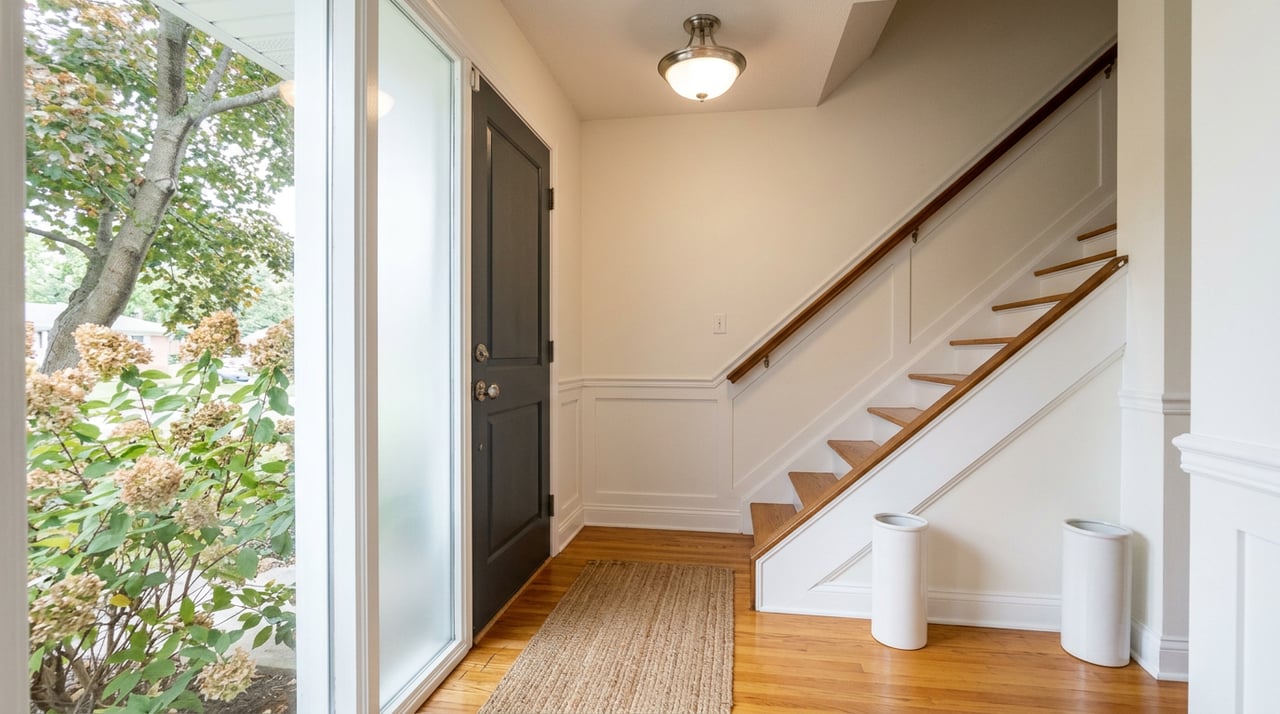
Thinking about selling your older Greensburg home but unsure where to start? You are not alone. Vintage properties carry character, and they also come with systems, materials, and paperwork that today’s buyers will ask about. In this guide, you’ll learn which fixes to prioritize, what you must disclose, how permits and historic review work in Greensburg, and the simple updates that deliver the best return. Let’s dive in.
Start with safety and disclosures
Before you paint a wall or order new hardware, get your disclosures and safety items in order. This protects you legally and builds trust with buyers from day one.
- Pennsylvania requires a written Seller Property Disclosure Statement that covers known material defects, roof age, environmental issues, underground tanks, and more. Review what the form asks for and gather your records early using the state’s guidance on the Seller Property Disclosure Statement. Review the Pennsylvania disclosure requirements.
- If your home was built before 1978, federal law requires a lead disclosure. Provide buyers with the EPA/HUD pamphlet, disclose any known lead-based paint or hazards, and include the lead warning statement in your contract. See the EPA’s lead disclosure rule.
- Westmoreland County is in the EPA’s highest radon potential zone. Consider a pre-listing radon test so you can share the result or mitigation receipt. Check the EPA’s Pennsylvania radon map.
- If your home ever used oil heat, gather documentation on any underground or aboveground tanks. If you are unsure, schedule a tank sweep and follow state procedures for closure or removal if needed. Learn about Pennsylvania’s Storage Tank Cleanup Program.
Keep copies of permits, repair invoices, service records, warranties, test results, and any environmental closure reports. Offering a clean disclosure packet helps buyers write stronger offers with fewer surprises.
Know Greensburg permits and historic review
If you plan updates before listing, check Greensburg’s permit rules so work is done correctly and documented for buyers.
- The city outlines which projects require permits, such as changing window or door openings, additions, adding electrical circuits, and altering floor plans. Typical no-permit items include painting, re-shingling a roof, and replacing existing windows or doors without changing openings. Review Greensburg’s permit requirements.
- Downtown and Academy Hill are on the National Register. Exterior changes in historic districts may require a review by the Historic & Architectural Review Board. Confirm what needs approval before starting façade, porch, window, or door work using the city’s guidance.
Documented, permitted work increases buyer confidence and can help with appraisal and insurance.
Get a targeted pre-listing inspection
A seller pre-inspection lets you fix or disclose issues on your terms and reduces last-minute renegotiations. Many inspectors and industry groups recommend them as smart risk management. See why pre-inspections help sellers.
Consider adding radon testing and a sewer scope for older homes. Use the results to decide whether to repair, price accordingly, or disclose.
Electrical: knob-and-tube, cloth wiring, panels
Older wiring and small-amp fuse panels often appear on inspection reports and can affect insurance or financing. If you have knob-and-tube or cloth-covered conductors, get a licensed electrician’s assessment and keep written estimates or receipts for any work completed. Buyers respond well to clear documentation.
Heating systems and potential oil tanks
If the home has, or once had, oil heat, unknown underground tanks are a common red flag. Schedule a tank sweep if the history is unclear. If a tank was previously removed, include the closure and soil testing paperwork in your packet. If an active system needs service, provide receipts to demonstrate safe operation.
Roof, gutters, and drainage
Aging shingles, clogged gutters, and poor grading lead to leaks and basement moisture. Address active leaks, clean the gutters, extend downspouts, and consider a roofer’s evaluation. If replacement is not in your budget, a recent inspection with an estimate gives buyers clarity and can support a credit strategy.
Plumbing and sewer lines
Galvanized supply lines, cast-iron or clay drains, and root intrusion are common in older homes. Fix active leaks and consider a pre-listing sewer scope so you know the condition and cost to repair if needed. Buyers appreciate transparency.
Moisture, mold, and foundation
Water entry and settlement concerns can derail a sale. Control surface water with grading and gutters, use a dehumidifier if appropriate, and consult a structural professional if you see significant cracking, bowing, or movement. Documentation from a qualified expert helps keep deals together.
Prioritize fixes buyers value most
You do not need to remodel the whole house. Focus on safety and first impressions. National data shows curb appeal and modest updates often deliver the best returns at resale. See Zonda/Remodeling’s cost vs. value findings.
High-ROI ideas for Greensburg’s mid-market price bands:
- Entry and garage doors that are clean, solid, and attractive.
- Minor kitchen refreshes like painted cabinets, updated hardware, new lighting, and a fresh countertop.
- Bathroom touch-ups such as re-caulking, new mirrors, and updated faucets.
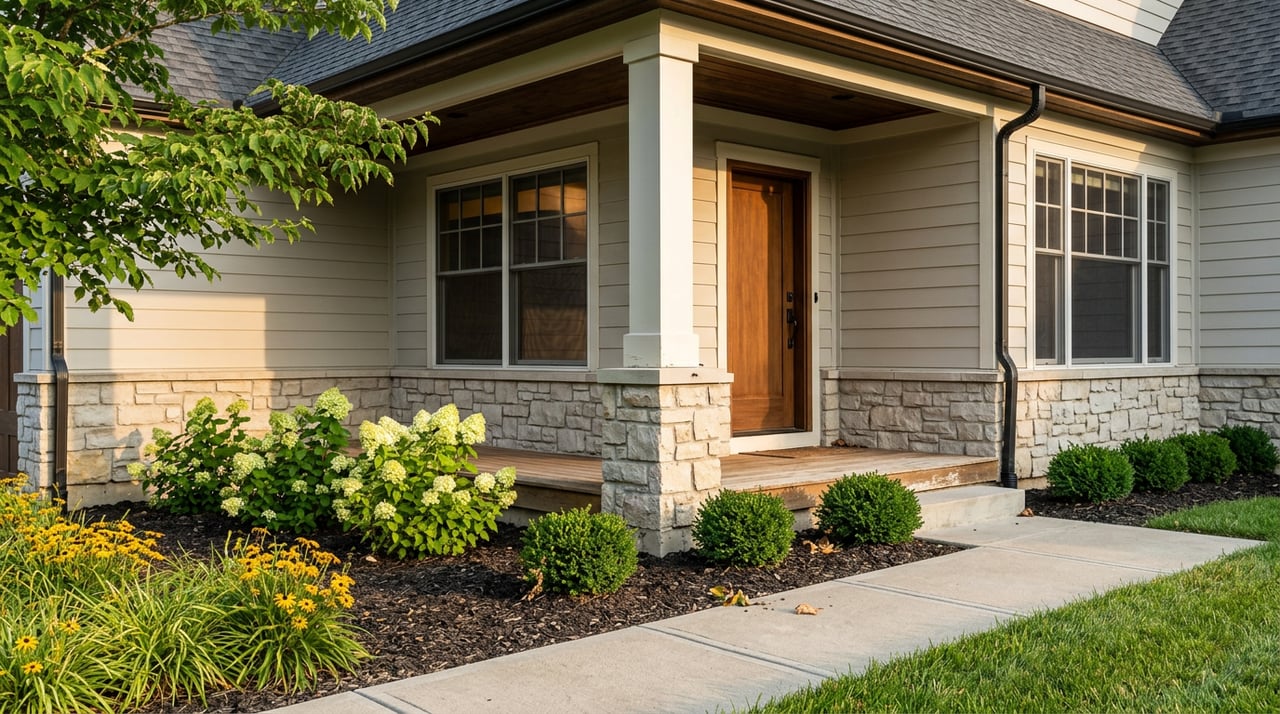
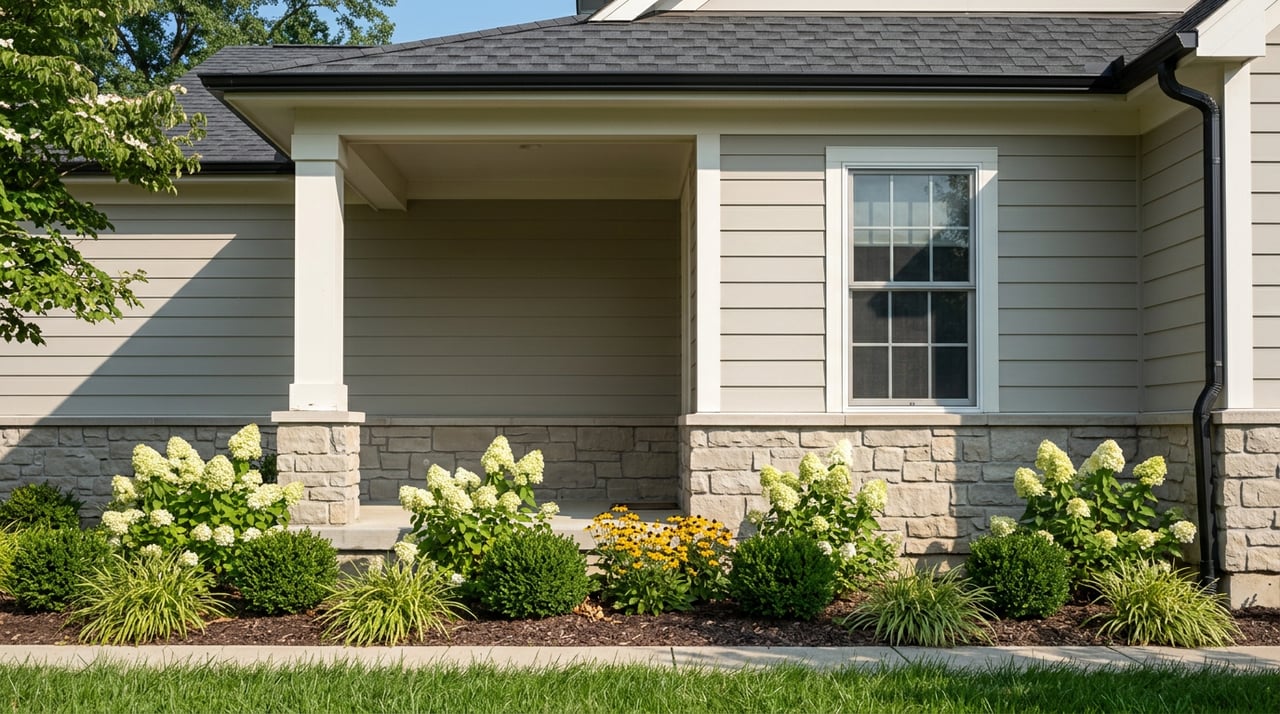
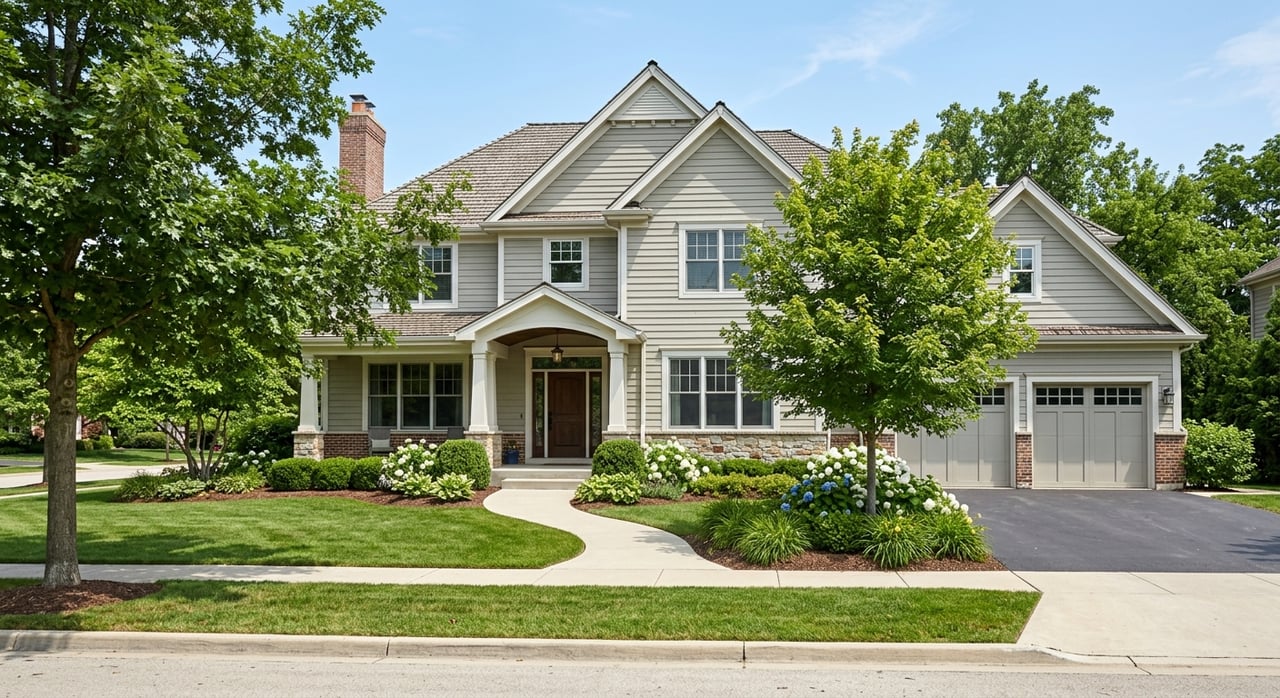
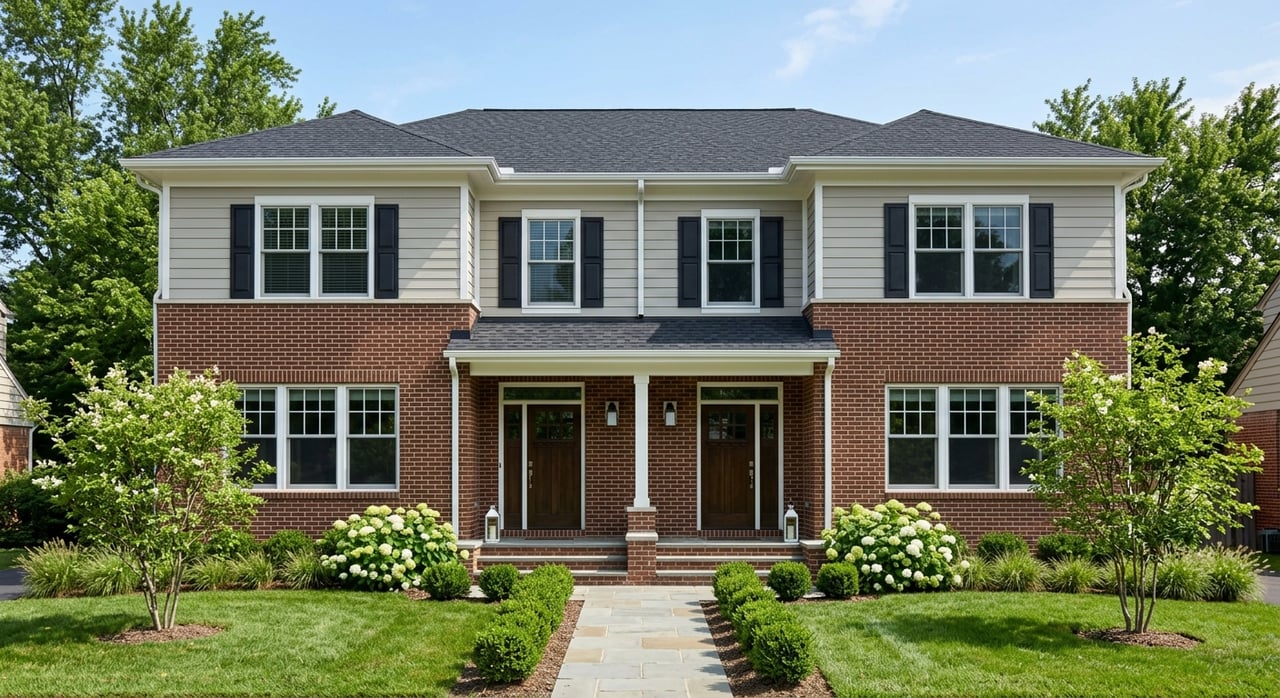
- Exterior polish: power-wash, tidy beds, mulch, and clear walkways.
Buyers also respond to bright spaces and neutral finishes. NAHB’s buyer research shows practical features and simple, move-in ready touches rank high.
What to fix now vs. disclose or price
Use this simple framework to stay focused and on budget.
- Do before listing: safety hazards, active leaks, missing or nonworking smoke and CO alarms, and any major system that may block financing or insurance. If you cannot fix a big-ticket item, at least obtain an evaluation and cost estimate to share.
- Repair if ROI justifies: a roof at the end of its life, very dated surfaces in kitchens and baths, or drafty, failing windows. If repairs will not pay off, disclose the condition and offer a credit or price accordingly.
- Always do the low-cost wins: deep clean, declutter, neutral paint, lighting updates, flooring repairs, landscaping cleanup, and exterior wash. These changes help photos pop and shorten days on market.
Paperwork that builds buyer confidence
Organize a simple binder or digital folder so your agent can share it with qualified buyers.
- Seller Property Disclosure Statement and any addendums.
- Lead-based paint pamphlet and disclosure if the home predates 1978.
- Pre-list inspection report, radon test, sewer scope, WDI/termite report if available.
- Permits and final inspections for any major work.
- Service records for HVAC, roof, chimney, and utilities; warranties for appliances or systems.
- Environmental items: tank removal or closure reports and any lab results.
Providing this upfront reduces friction and helps keep your sale on track.
Price and timing in Greensburg
As a reference point, Zillow recently reported a typical Greensburg home value around 234,519 dollars, and ZIP-level snapshots for 15601 often show a higher median list price. Inventory, days on market, and price trends shift seasonally. Use a current CMA and neighborhood comps to decide whether to invest in upgrades or price to reflect condition. The right strategy balances speed, net proceeds, and your next-home timeline.
A practical pre-list checklist
Use this step-by-step list to get your older home market-ready with less stress.
- Schedule a seller pre-inspection. Add radon testing and a sewer scope for older properties. Learn more about seller pre-inspections.
- Tackle safety items first. Correct electrical hazards, active leaks, and install or replace CO and smoke alarms where required.
- Verify heating oil history. If you see a fill or vent pipe or suspect a tank, order a tank sweep and follow state guidance for closure or removal. Review PA tank guidance.
- Address roof and water management. Clean gutters, extend downspouts, regrade as needed, and get a roofer’s evaluation if shingles are near end of life.
- Knock out the easy wins. Deep clean, declutter, paint in neutral tones, replace dated lighting and hardware, and refresh landscaping.
- Confirm permits and historic needs. Check the city’s permit list and any historic review requirements before doing exterior or structural work. Start with Greensburg’s permit page.
- Gather docs and set your strategy. Compile disclosures, reports, and receipts. With your agent, decide whether to repair, credit, or price as-is based on current comps and buyer expectations.
When you focus on safety, transparency, and first impressions, you give buyers the clarity they need to act quickly and confidently. If you want a personalized plan that fits your house, timeline, and budget, reach out to Katrina Siffrinn to get started.
FAQs
What disclosures are required when selling an older home in Pennsylvania?
- Sellers must complete the state’s Seller Property Disclosure Statement and, for homes built before 1978, provide the EPA/HUD lead-based paint pamphlet and written lead disclosure.
Do I need approval to change windows in Greensburg’s historic areas?
- Exterior changes in Downtown or Academy Hill may require review by the Historic & Architectural Review Board, so check Greensburg’s permit guidance before starting work.
Should I test for radon before listing in Westmoreland County?
- Yes, the county is in EPA Zone 1 for radon potential; a pre-list radon result or mitigation receipt helps buyers feel confident and can streamline negotiations.
How do buyers view knob-and-tube or old fuse panels?
- Many inspectors flag them, and some insurers or lenders may have concerns; get a licensed electrician’s assessment and share repair estimates or receipts with buyers.
Which updates deliver the best resale ROI for Greensburg homes?
- National data shows curb appeal upgrades and minor kitchen refreshes outperform large, upscale remodels, so focus on first impressions and modest, high-visibility updates.