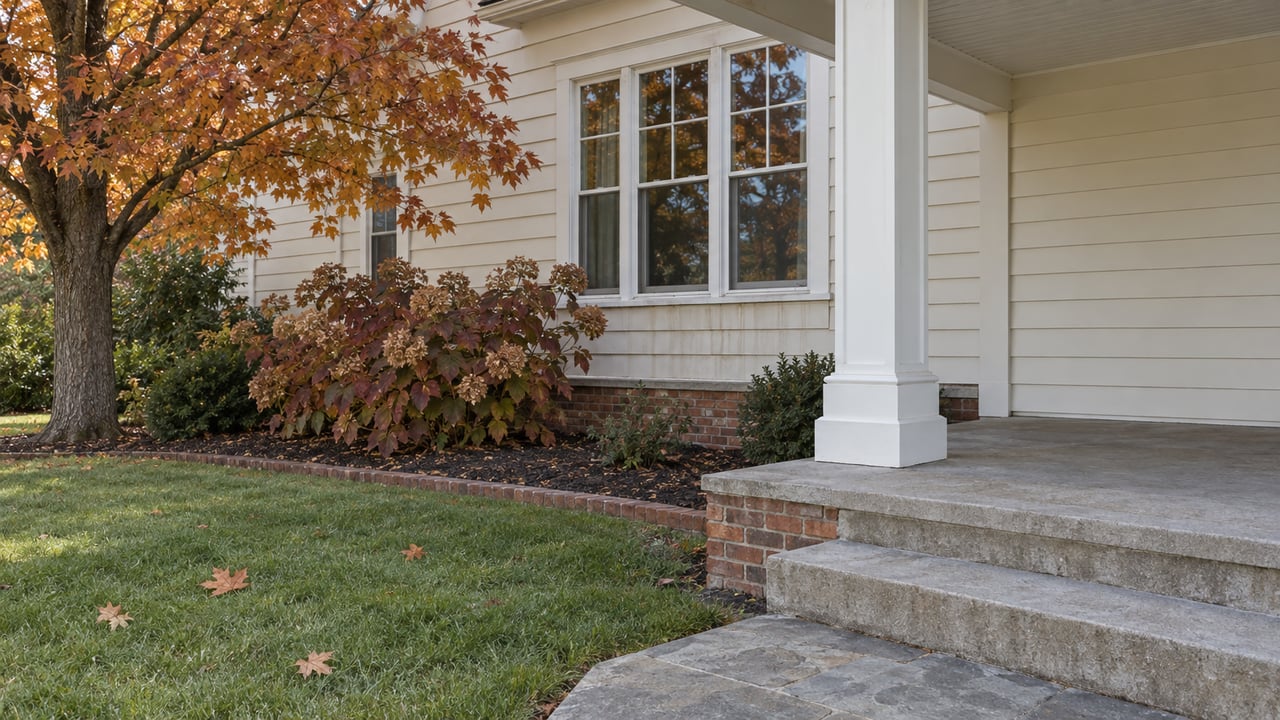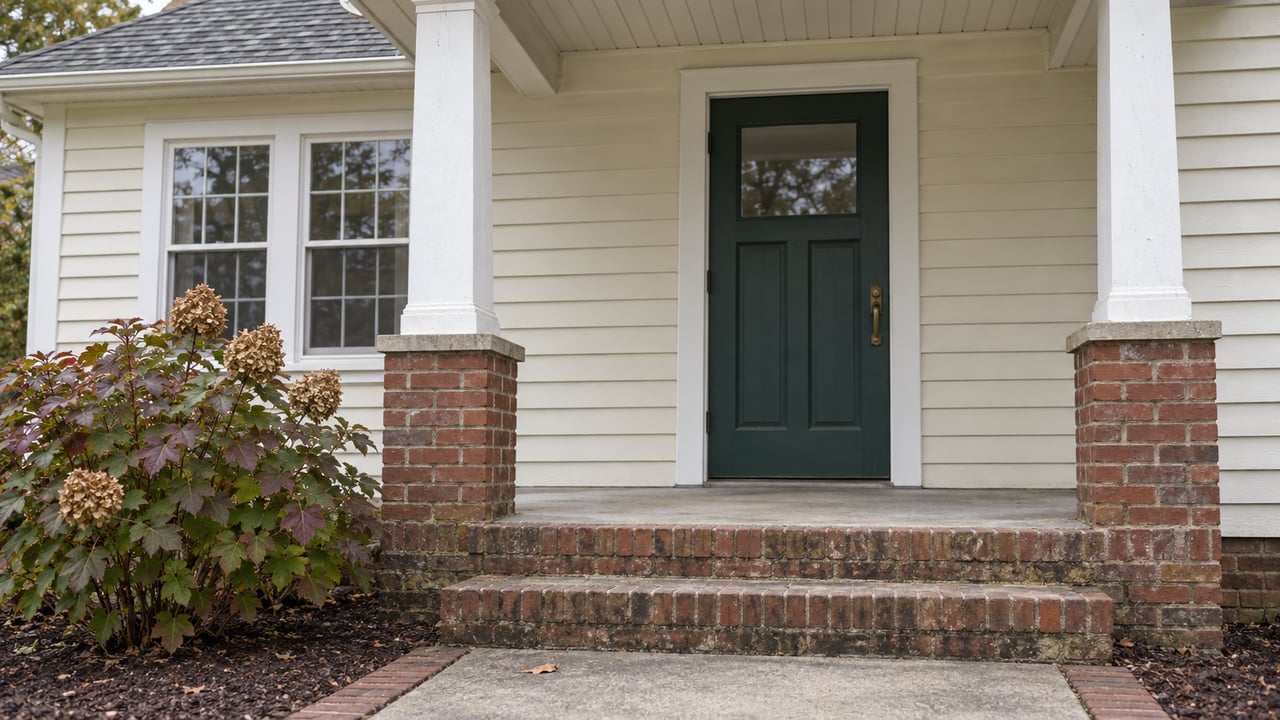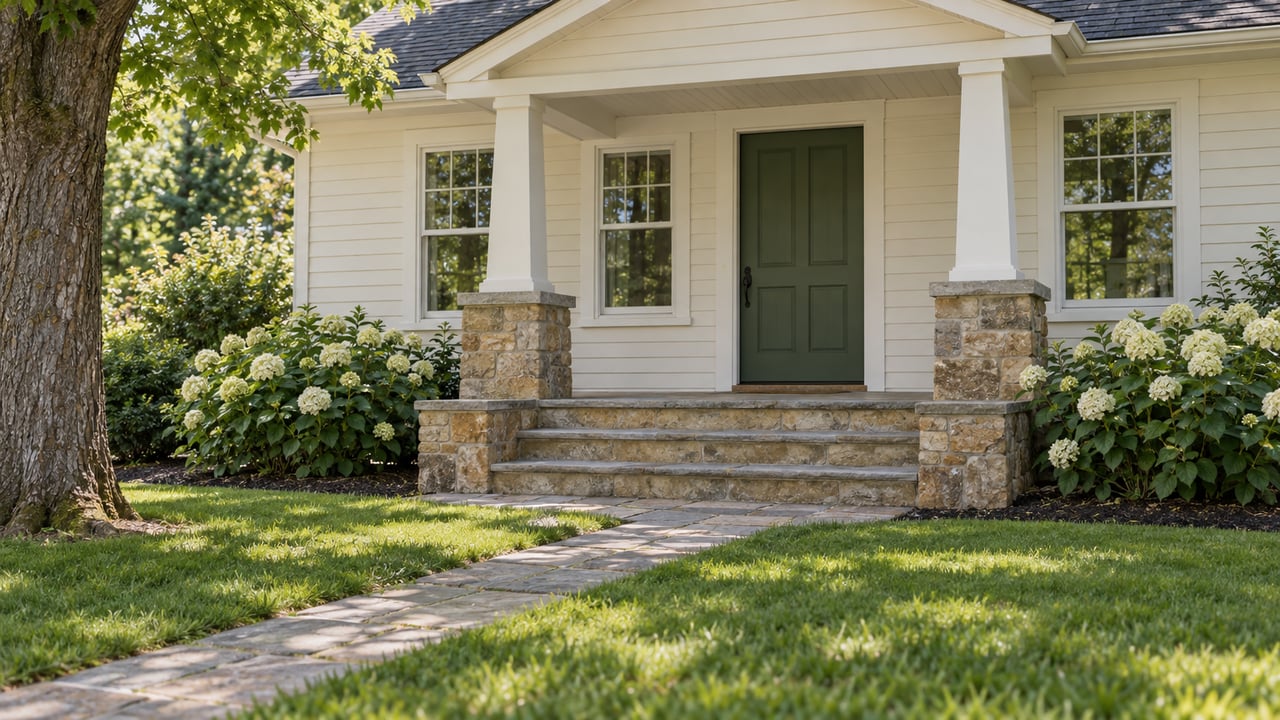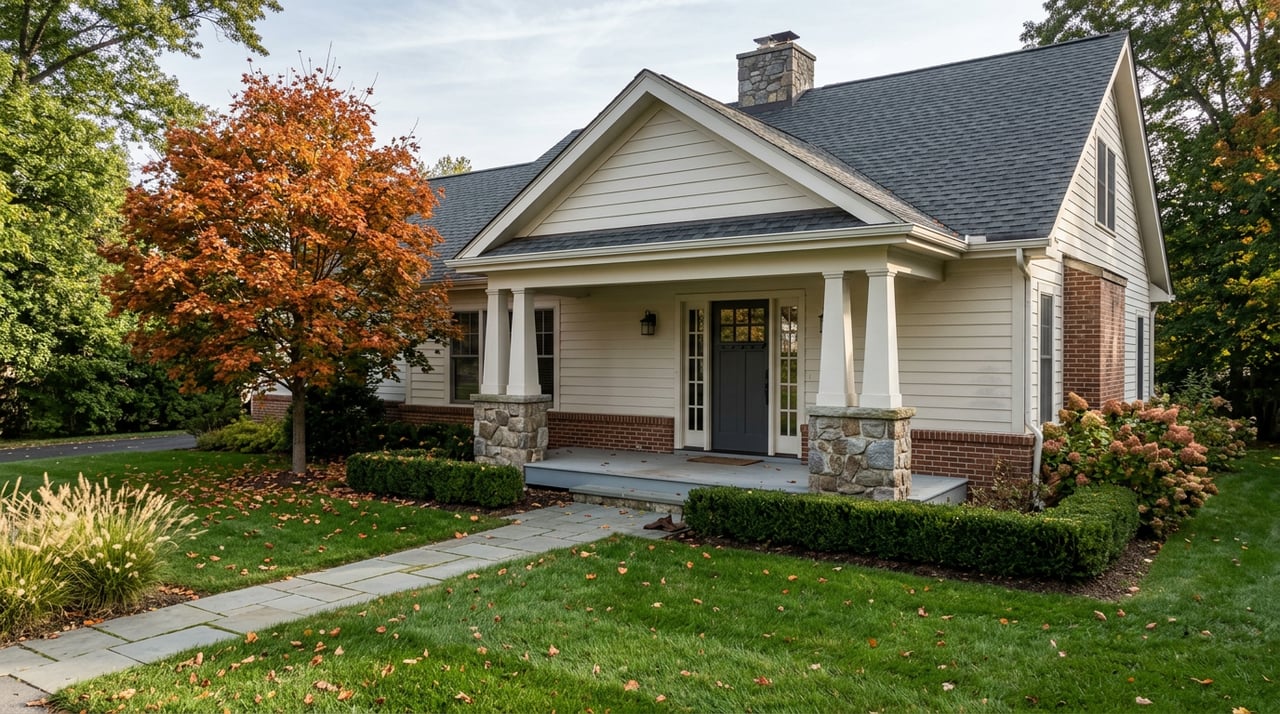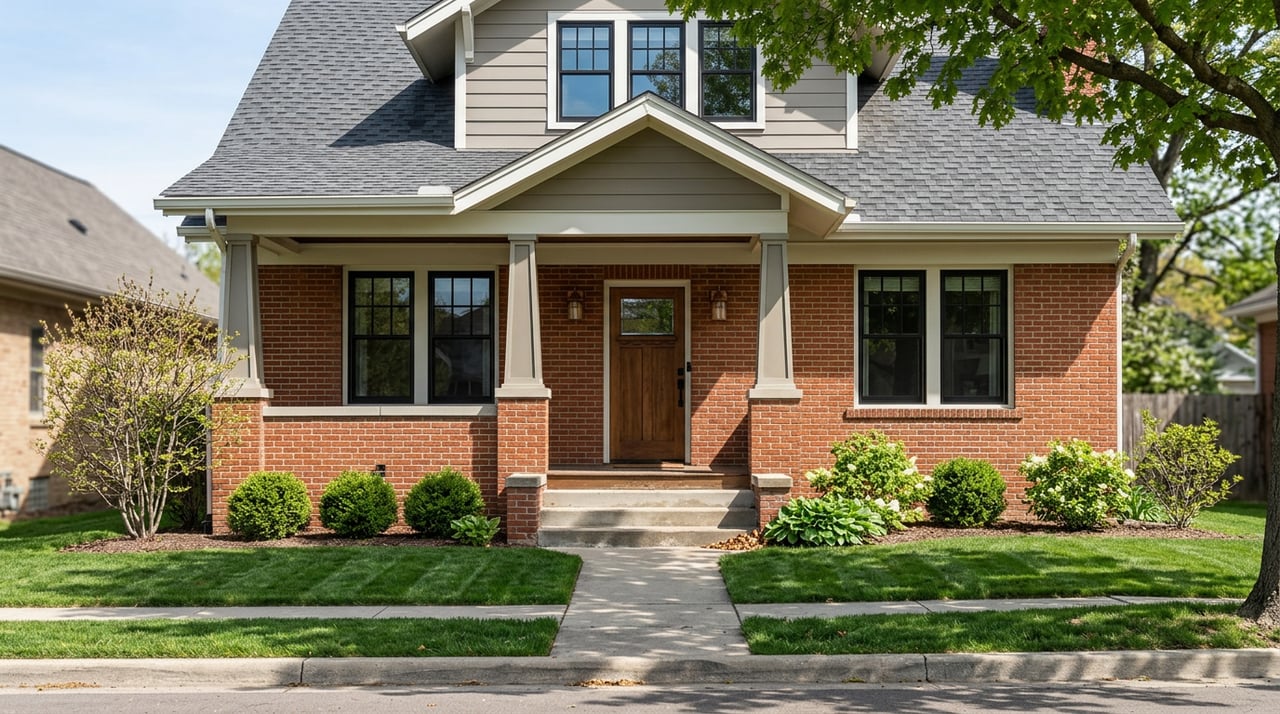
Wondering which Greensburg home style fits your life and budget right now? From brick beauties in Academy Hill to low‑maintenance new builds on the edge of town, you have real choices across price points and floor plans. If you understand how each style lives, what upkeep to expect, and where to find it, you can shop with confidence and avoid surprises. In this guide, you’ll compare classic character with modern convenience, learn key maintenance tips, and see where these homes cluster around 15601. Let’s dive in.
Greensburg market snapshot 2026
As of January 2026, the median sale price in Greensburg was about $267,000. Different trackers can vary due to small monthly sales and neighborhood mix, so treat any stat as a moment-in-time guide. If you need up‑to‑the‑minute comps on a specific street or style, ask for an MLS pull tailored to your goals.
Where home styles cluster
- Academy Hill and Downtown feature late‑1800s through 1940s architecture, including Colonial Revival, Foursquare, Craftsman, Tudor, Queen Anne, and Neoclassical. The area’s historic designation and building mix are well documented in the district overviews for Academy Hill and the Greensburg Downtown Historic District.
- Established suburbs around town include long‑standing neighborhoods like Saybrook Village and New Salem Acres, where you’ll see ranch, Cape Cod, and split‑entry homes. Get oriented with the city’s neighborhood overview on ThinkGreensburg.
- Newer construction appears in small subdivisions around the edges of Greensburg. Recent communities often include ranch‑style patio homes, duplex ranches, and 2‑story townhomes with HOA-maintained exteriors.
Classic homes in Academy Hill
Historic Greensburg shines with solid masonry, deep porches, and tree‑lined streets. Many homes from this era have brick or stone walls and limestone foundations, which influence both comfort and upkeep. Review the district’s building details to understand common construction types in Academy Hill.
Colonial Revival and Tudor
- Visual cues: Symmetry and classical trim for Colonial Revival, steep gables and half‑timber accents for Tudor.
- Floor plan: Formal entry, separate living and dining rooms, kitchens at the rear, and 3 or more bedrooms upstairs. Many include walk‑up attics or basements.
- Upkeep tips: Watch for aging slate or shingle roofs, window restoration needs, and masonry repointing. Historic exteriors can require review before changes.
- Best fit: You want architectural presence, space to spread out, and walkability to downtown amenities.
Craftsman and bungalow
- Visual cues: Low‑pitched roofs, deep front porches, exposed rafters, and built‑ins. See national style notes for quick identifiers in this house‑styles guide.
- Floor plan: Efficient 1 to 1.5 stories with main‑level living and compact bedrooms. Easy to modernize kitchens and baths.
- Upkeep tips: Porch structure, roof flashing, original windows, and electrical capacity are common focus areas. For typical older‑home issues, review this old‑house checklist.
- Best fit: You like character and a modest footprint that is easier to cool, heat, and maintain.
American Foursquare
- Visual cues: Boxy two‑story form, hipped roof, and a wide front porch.
- Floor plan: Four principal rooms per level with efficient circulation. Great natural light and straightforward furniture placement.
- Upkeep tips: Similar to other pre‑war homes, with attention on roofing and masonry.
- Best fit: You want generous room sizes without ornate trim, plus a layout that adapts well to modern updates.
Victorian and Queen Anne
- Visual cues: Asymmetry, turrets, bay windows, and decorative trim, as outlined in this national architectural eras overview.
- Floor plan: Irregular room shapes and more segmented living areas rather than open concept.
- Upkeep tips: Exterior paint and trim restoration can be more intensive. Budget for specialized carpentry and roofing.
- Best fit: You love detail and are ready to plan phased updates that respect the home’s original design.
Post‑war and later suburbs
Outside the historic core, many Greensburg neighborhoods grew in the 1940s through the 1990s. These homes often have simpler systems than older properties and are easier to insulate.
Ranch homes
- Layout: True single‑level living with attached or integral garages. Many have open or semi‑open living areas that flow to the kitchen.
- Why buyers choose them: Accessibility, low stair count, and easy indoor‑outdoor living.
- What to check: Roof age, attic insulation, and window performance. Mid‑century materials like asbestos may appear in older ranches; review this common issues list.
Split‑level and raised ranch
- Layout: Bedrooms and living zones on staggered levels. Works well for sloped lots and provides separation of spaces.
- Why buyers choose them: Good value per square foot and flexible family zones.
- What to check: Entry safety on icy days, railing integrity, and moisture at lower levels.
Cape Cod
- Layout: 1 to 1.5 stories with dormered second‑floor bedrooms under the eaves.
- Why buyers choose them: Cozy curb appeal and efficient footprints that are easier to heat and cool.
- What to check: Roof ventilation, knee‑wall insulation, and bath/kitchen updates.
New construction in Greensburg
Small subdivisions around Greensburg continue to add new options, including single‑story patio homes and two‑story townhomes. Typical floor plans feature open main living areas, attached garages, and first‑floor primary suites in many ranch plans. Recent listings often range from roughly 1,500 to 1,900 square feet, with builder options for basements and finishes.
- Benefits: Modern codes, energy‑efficient systems, and lower short‑term maintenance. Some communities include HOA services like landscaping or snow removal.
- Tradeoffs: Smaller lots than historic neighborhoods and monthly HOA fees. New builds can take longer to deliver, depending on permits and construction schedules.
- Warranties: Many builders enroll homes in third‑party “1‑2‑10” programs that commonly cover 1 year workmanship, 2 years distribution systems, and 10 years structural. Coverage varies by builder, but you can review industry‑standard terms from 2‑10 Home Buyers Warranty.
Maintenance and inspection tips
Western Pennsylvania’s freeze‑thaw cycles and snowfall make roofs, gutters, and drainage top priorities. Local climate summaries for Greensburg highlight winter conditions that contribute to ice dams and masonry stress, which is why attic insulation and good flashing matter. Learn more about winter patterns in Greensburg’s climate overview.
If you are buying pre‑1940 homes
- Budget for: Electrical updates where knob‑and‑tube exists, boiler or HVAC replacement, and masonry or foundation waterproofing.
- Health and safety: Homes built before 1978 may contain lead‑based paint. For any renovation that disturbs paint, require EPA RRP‑compliant contractors and follow guidance from the EPA’s Renovation, Repair and Painting program.
- Inspection focus: Full home inspection, roof and flashing evaluation, sewer scope if lines are older, and moisture assessment in basements and stone foundations. See common findings in this inspection issues overview.
If you are buying mid‑century homes
- Budget for: HVAC replacements, electrical panel upgrades if undersized, and potential asbestos abatement in select materials.
- Inspection focus: Chimney and flue checks, sewer camera when original lines are suspected, and attic insulation review.
If you are buying newer homes
- Expect: More efficient systems and code‑compliant wiring and insulation. Short‑term punch‑list items like trim touch‑ups and settling cracks are normal.
- Action step: Read your builder warranty, note coverage start and end dates, and schedule a pre‑expiration walkthrough to catch items while covered.
Permits and historic review
Exterior changes in Greensburg’s historic districts, particularly Academy Hill and Downtown, can involve review before major alterations or demolition. To understand the significance and boundaries, start with the Greensburg Downtown Historic District summary and the Academy Hill overview. Building permits are handled at the municipal level in Westmoreland County. For most renovations and additions, you will route through city planning, zoning, and code enforcement. The county’s FAQ explains the local process at a high level on the Westmoreland County site. Always confirm current steps, forms, and fees with the City of Greensburg Planning and Code office before you start work.
Choose your best fit
- Choose a historic home if you value character, walkability, and solid materials like brick and stone. Plan for inspections and a renovation budget.
- Choose a mid‑century or late‑20th‑century home if you want simpler updates, single‑level options, and established neighborhoods with mature landscaping.
- Choose new construction if you want move‑in ready, energy‑efficient systems and the predictability of a builder warranty. Understand HOA rules and delivery timelines.
If you are comparing options, a quick planning session can save you time and money. With a construction background and deep local knowledge, I’ll help you weigh floor plans, condition, and long‑term costs so your choice feels right on day one and year five. Ready to talk through your shortlist or get a neighborhood‑specific market read? Connect with Katrina Siffrinn for a friendly, no‑pressure consult.
FAQs
Are Greensburg historic homes harder to maintain?
- Often yes. Older homes may need masonry repointing, roof and window work, and system upgrades, and some exteriors fall under historic review. Review neighborhood context in Academy Hill’s summary.
Is new construction available in Greensburg?
- Yes. Smaller subdivisions and builder communities offer ranch and 2‑story plans with modern systems and, often, HOA services. Many new homes include third‑party warranties like the “1‑2‑10” model.
What inspections are non‑negotiable in Greensburg?
- Get a full home inspection, plus targeted checks as age suggests: sewer scope, chimney, electrical, and lead testing for pre‑1978 homes per EPA RRP guidance.
Do I need permits for renovations in historic areas?
- Most exterior changes and additions require permits, and historic districts may add design review. Start with the county’s permit FAQ and confirm next steps with the City of Greensburg.
How do winters affect home upkeep in Greensburg?
- Freeze‑thaw cycles stress roofs and masonry. Prioritize good flashing, gutter function, attic insulation, and foundation drainage. See seasonal norms in this Greensburg climate summary.